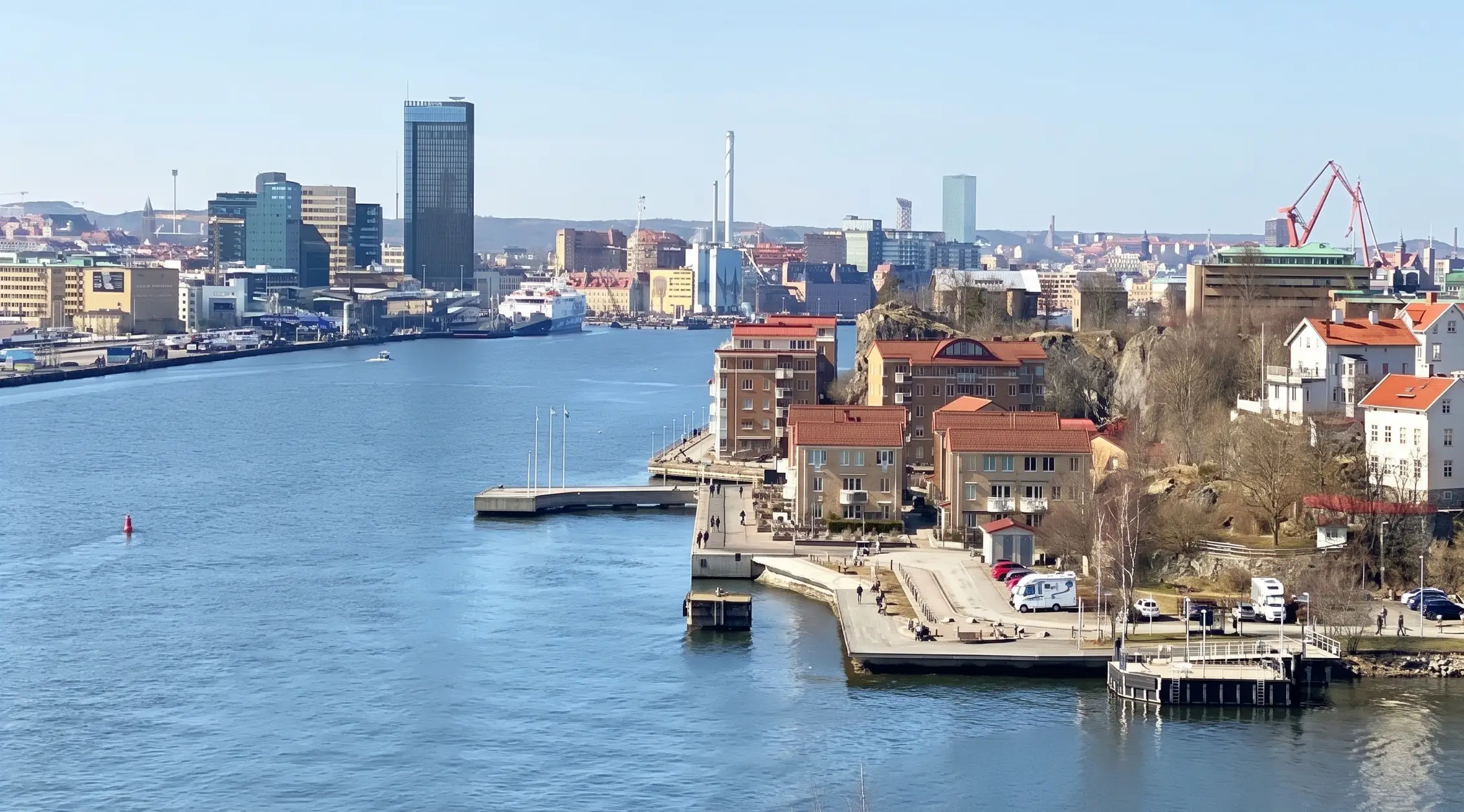
Gothenburg.Through the Lens of an Immigrant.
A personal photographic journey through the city I’ve come to call home. Its places, its seasons, and the beauty in between.
Explore the photographsDiscover the city, one frame at a time
From familiar landmarks to the quiet corners that make Gothenburg special.
About the Homepage
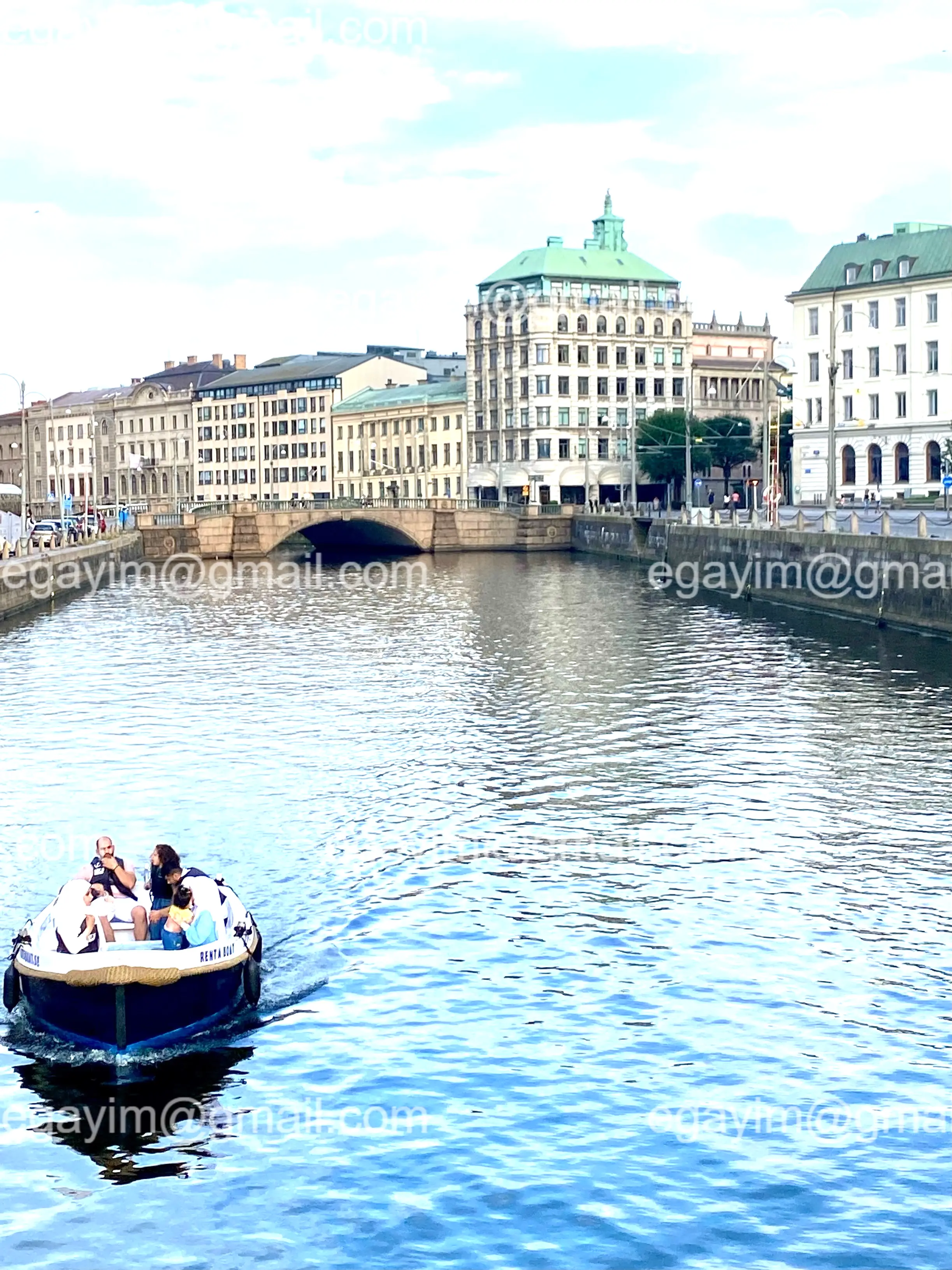
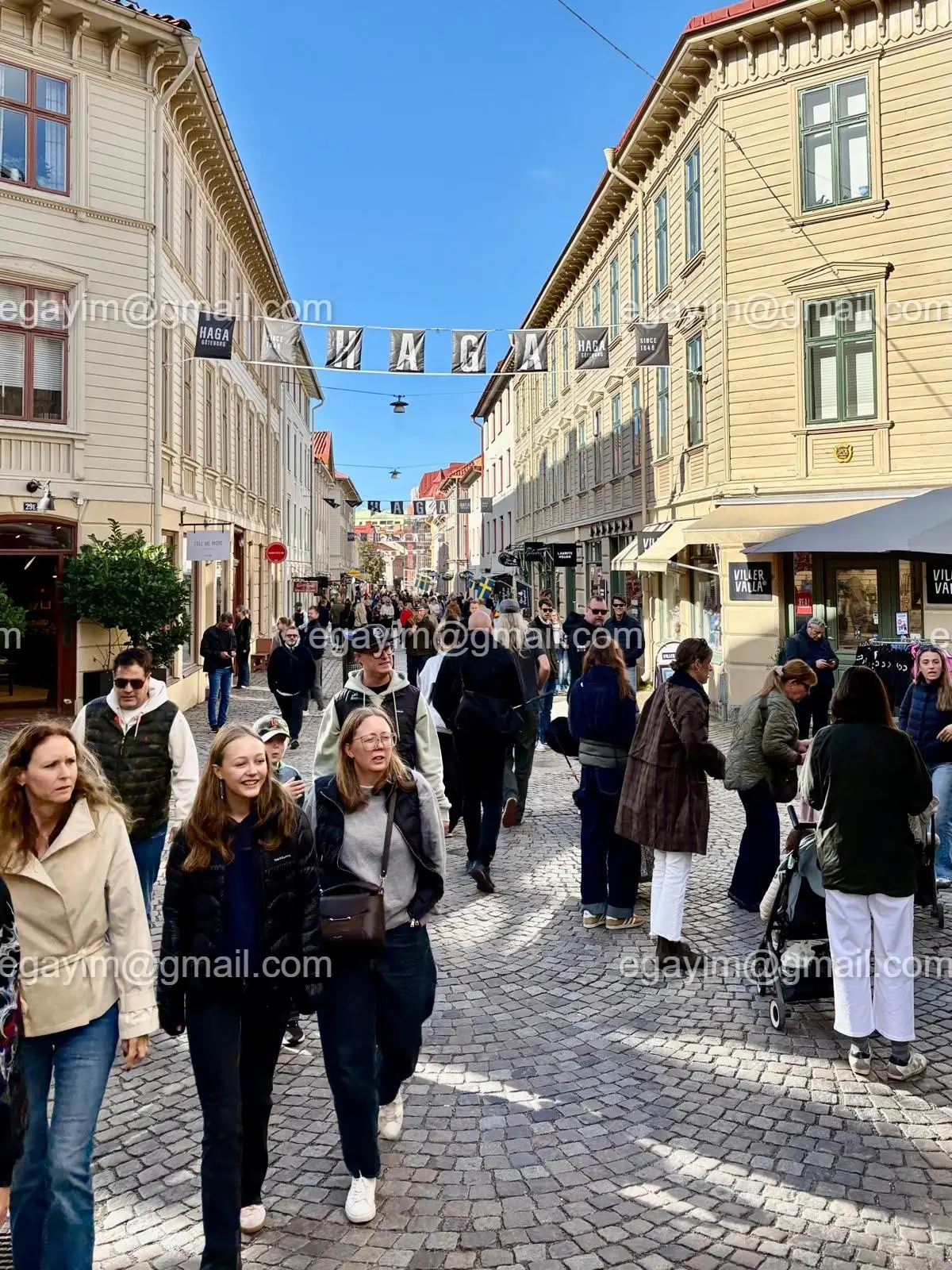
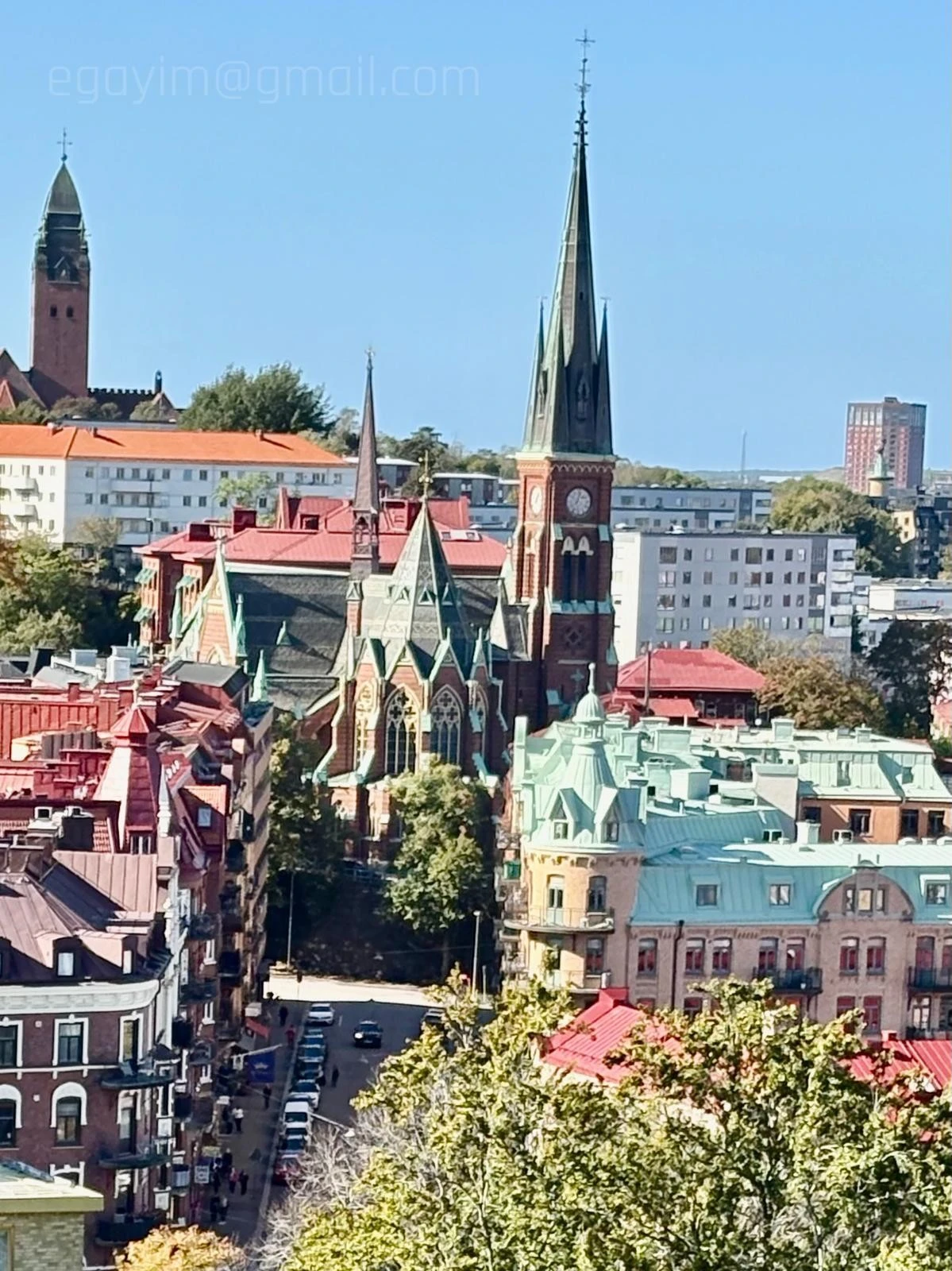
This homepage is intended to introduce Gothenburg to those interested in exploring this Swedish city virtually. The photographs capture this city’s distinctive character—its old and modern faces, picturesque canals and harbour, vibrant inner city, remarkable architecture, landmarks, welcoming parks, and the many ways in which the city changes with the seasons. In presenting the images I mostly follow the above thematic approach.
Whether you live in Gothenburg, have visited this city or plan to do so, this homepage invites you to look around and discover something new or special. If you are interested in acquiring any of the photographs displayed here, or photo-related products, e.g., cards, posters, mouse pad and calendars, you are welcome to contact me by using the contact address provided.
A Southern Perspective on a Nordic City
I must confess that embarking on an ambitious endeavour - to introduce this beautiful city online - was not easy. I was not born and brought up here, and photography is only my hobby. If there is something unique about my contribution, it is because I see this city and the nature surrounding it with different eyes. I was brought up in the south, closer to the equatorial regions—a background which makes observing, discovering and photographing this Nordic city particularly rewarding.
By academic background, I am a jurist who found his way to Gothenburg by accident, when I saw an academic position advertised by the University of Gothenburg. Attracted by the professional opportunities it offered, I applied for the position and relocated from San Diego, California.
More than a place to work
Returning to California at some point was always somewhere in the back of my mind. Yet, even after retiring from my academic position as an Associate Professor, I have remained in Gothenburg because it has become more than a place to work. It has become home, making it difficult to abandon it.
This homepage is, in part, my way of sharing my appreciation of Gothenburg with others—and of inviting them to discover and enjoy this lovely city through my photographs.
Discover the photographsGet to know Gothenburg.
The ultramodern city of Gothenburg is widely viewed as a role model for cities around the world. In February 2017, Hostelworld, a travel-booking platform that conducts surveys of travelers, ranked this city as the most sociable city in the world. Seven months later, it was voted the third-friendliest city in the world and the friendliest European city in a survey conducted by Condé Nast Traveller. In the 2024 Happy City Index, Gothenburg was recognized as the fourth happiest city in the world. More recently, the 2026 Talent City Index described it as the “nicest” and most family-friendly city in Sweden. There are many reasons why this city has earned such praise.
Canal, Coast and Street Views
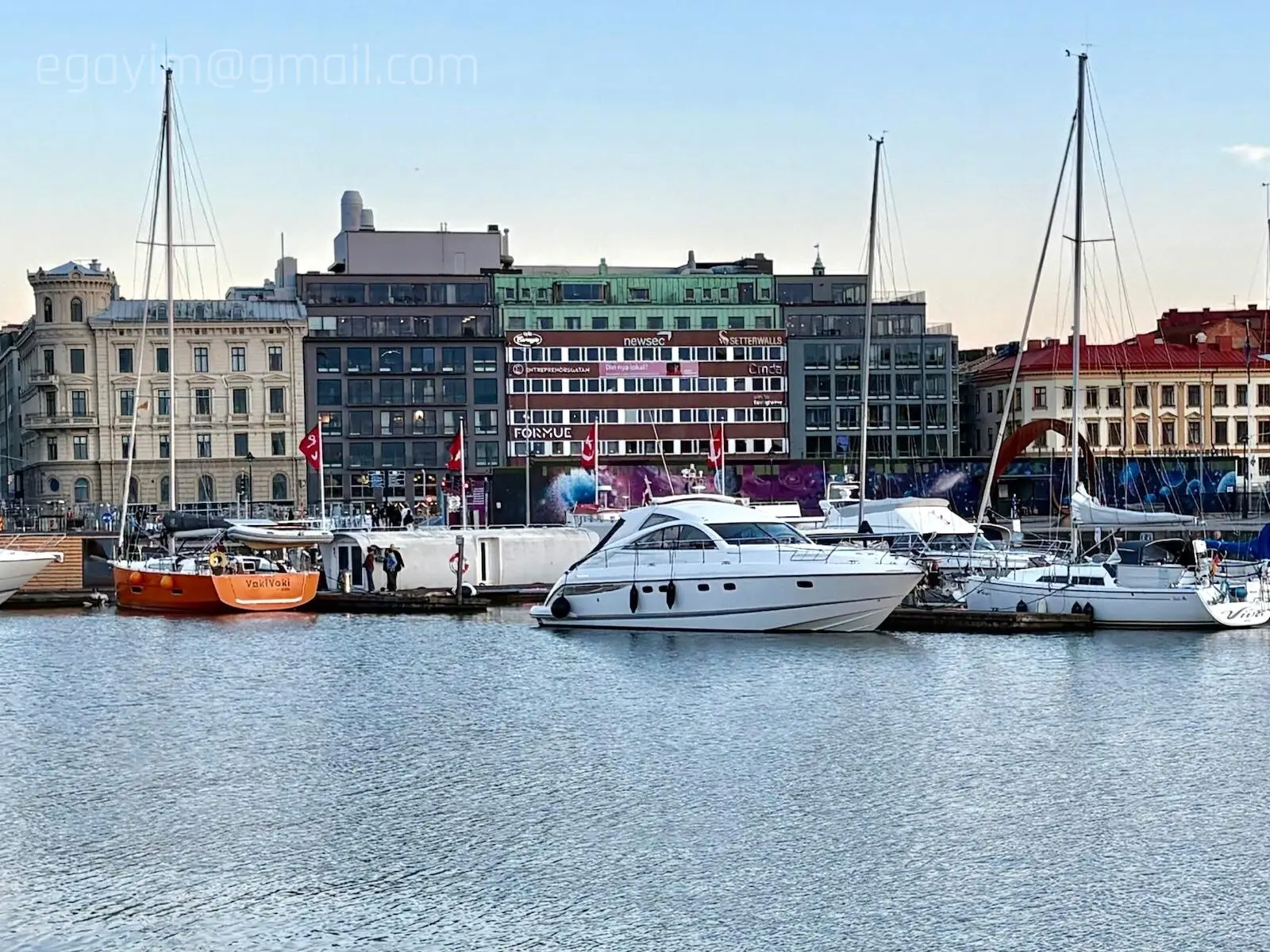
Located on Sweden’s west coast and surrounded by picturesque archipelagos, Gothenburg is the second-largest city in Sweden. With a population of around 600,000, it is distinguished by canals that weave through the urban landscape, giving it a unique and inviting character. Gothenburg’s vibrant city center offers something for everyone, from large department stores and small independent shops to restaurants, cafés, pubs, and museums. Its streets showcase a fascinating mix of historic and contemporary architecture. Whether the arrangement of these buildings is viewed from the streets, the canals or from the coasts the beauty of the city is striking. For images of the city from the coast, the canals and rooftop views click here .
Statues, Monuments and Churches
The statues, monuments and churches of Gothenburg also have a unique character. Notable landmarks include the iconic Poseidon statue at Götaplatsen, the historic equestrian statue of Charles IX, and the Sailor’s Wife overlooking the harbor. Some of the churches are old, grand and impressive. Among them are Masthugget Church, Gothenburg Cathedral, the German Church (Christinae Församling), Oscar Fredrik Church, Haga Church, S:t Johanneskyrkan, the Gothic-style Örgryte Nya Kyrka, and S:t Pauli Kyrka. For images of churches and statues click here .
Public Transportation & Street Network
The extensive public transportation network of this city is a good example for other cities to follow. Clean, modern, and mostly punctual buses and trams make it easy to get around the city and its surroundings. A subway system will soon be added to this. Senior residents can travel free of charge as long as they choose to avoid peak hours.
Parks
Gothenburg is green. Surrounded by abundant natural areas, the city gets plenty of rain and snowfall during the long, wet months. When temperatures remain below freezing, the snow accumulates on rooftops, the ground, and canals before gradually melting in spring, replenishing the soil, vegetation, and waterways. The residents and visitors of this city have a variety of urban parks to choose from when they want to relax and enjoy nature. Among the most notable are Slottsskogen, the third-largest city park in Sweden; Trädgårdsföreningen (the Garden Society), which is located in the heart of the city; the famous Botaniska Trädgården (Botanical Garden); Kungsparken; Vasaparken; and Keillers Park. These green spaces provide peaceful retreats within the city and contribute significantly to Gothenburg’s distinctive character as a nature-friendly city. For images of the greenery click here .
A Green City at the Heart of Swedish Industry
It may seem paradoxical to describe Gothenburg as “green” when this city and its surrounding satellite towns, which depend on the Port of Gothenburg that handles 30% of Swedish foreign trade —are known as Sweden’s leading industrial region. After all, many economic giants are located here, including Volvo, Saab (aerospace and defense), AstraZeneca (pharmaceuticals), SKF (engineering and manufacturing), Stena (shipping), Ericsson (telecommunications and technology), Getinge (medical technology), Hedin Mobility Group (automotive retail and distribution), New Wave Group (consumer products), and Wallenberg investment companies. Yet, Gothenburg appears to have achieved a successful balance of reconciling the demands of industrialization with environmental protection.
Traditional Architecture & Historic Districts
Gothenburg also takes pride in embracing modernization without abandoning its historical identity. A good example for this is the way the city has preserved its historic structures and districts while developing modern skylines around Järntorget and Gårda. In this respect, Gothenburg can be compared with Stockholm, where the preservation of Gamla Stan—the historic Old Town situated on the island between Södermalm and Norrmalm—has allowed the capital to modernize while preserving its historical character. However, Gothenburg’s historic sites and buildings are seen scattered throughout the city - in Haga, Linné, Vallgraven, Kronhuset, and many other areas - rather than concentrated in a single district. For images of the old city part click here .
Gothenburg’s Skyline
Although Gothenburg is rich in historic architecture, these buildings cannot match those seen in Stockholm in number, size or concentration. However, Gothenburg rivals the capital when it comes to the modern high-rises—a phenomenon relatively seen in many countries. A notable example of this is Karlatornet, a 74-story skyscraper which is the tallest building in the Nordic countries. At approximately 246 meters, it is nearly twice the height of Stockholm’s tallest building. For images of the skyscrapers click here .
Gothenburg in Summer
The lifestyle of the residents of Gothenburg changes significantly with the seasons, as people adapt to the varied weather. During the summer months, from June to August, the city is fully awakened. With daylight stretching from approximately 3:30 a.m. to 10:30 p.m., the residents make the most of the long, bright days by visiting the parks, green spaces, and participating in outdoor activities. The colorful flowers and lush vegetation further enhance the appeal of spending time outdoors. The closure of schools during the summer and the Swedish tradition of taking five weeks of annual vacation create an even greater incentive to make the most of these short summer months. Indeed, there is a common saying that “Sweden stops in July,” reflecting the extent to which the country slows down during the peak vacation period.
During these pleasant summer days, Gothenburg’s streets and public spaces become particularly lively as the residents gather on public benches and outdoor terraces at restaurants, pubs, and cafés, enjoying the sunshine and the long evenings. Others choose to play mini golf, rent the pedal boats to cruise the canals, and explore the nearby islands. Cycling is another popular summer activity. Those who do not have bicycles or e-bikes can use the rental bikes parked throughout city. Others prefer to spend time along the coast or the beaches such as Askimsbadet, Smithska Udden, Näsetbadet, Fiskebäcksbadet, and Hovåsbadet. For summer pictures click here .
Gothenburg in Autumn
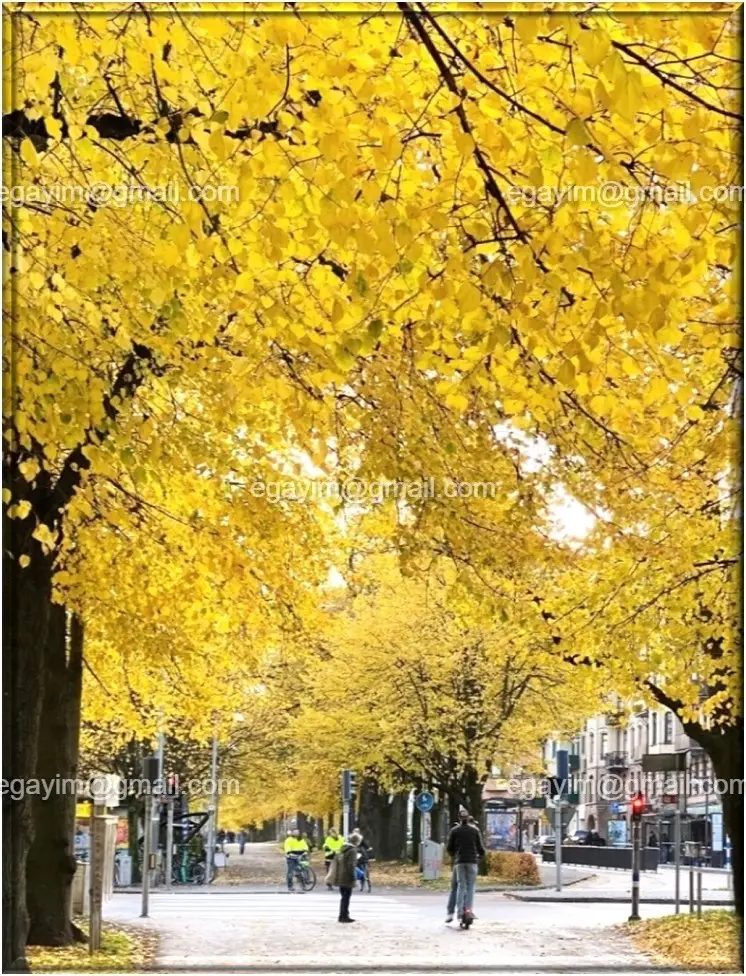
When autumn arrives, the residents of Gothenburg reluctantly adjust their clothing to the falling temperatures, cooler winds, rain, and damp days. As if nature understands their frustration over the retreat of the summer, it has made September and October picturesque. The green leaves of the departing summer turn yellow, then shades of red, before eventually falling and covering the grounds of parks and pedestrian streets. The streets, restaurants, bars, and cafés continue to be bustling with residents, partly drawn by the social activities in the city center, but mostly because of the refusal to accept that summer is over and that winter will sooner or later consume the city. For autumn pictures click here .
Gothenburg in Winter
Winter, from December to February, is not liked by the members of the immigrant communities or tourists who are accustomed to summer or spring-like weather throughout the year in their home countries. The locals rarely complain since that is what they are used to every year. They wear warm jackets, gloves, and sturdy footwear to protect themselves and tell the immigrants, “There is no bad weather, only bad clothing”. To keep themselves in good shape most of them occupy themselves with winter activities, such as ice skating, downhill and cross-country skiing, sledding, and winter hiking. Others spend time in museums and cultural centers, or in cafés, pubs, and libraries. For winter pictures click here .
Most immigrants seem to have adapted, reluctantly, to the Swedish ways of life in the winter and Gothenburg’s recreational and cultural attractions continue to draw visitors. Universeum, Sweden’s natural science center that incorporates an indoor rainforest and aquarium attracts more than half a million visitors annually. Liseberg, the largest and most popular amusement park in the Nordic countries, welcomed 2.3 million visitors in 2025. What immigrants and tourists find difficult to get used to is the darkness, since the sun rises roughly around 8:45 a.m. and sets around 3:45 p.m., and the freezing temperatures, the wet and slushy snow and sometimes slippery roads when the melted snow turns to ice, when the temperatures fall back below freezing. To reduce these kinds of inconveniences, the city clears the streets and pedestrian paths and ensures that the public spaces are properly illuminated during the dark months.
Gothenburg in Spring
Springtime, from March to May, brings a sense of excitement to Gothenburg as brighter and warmer days replace the dark and cold winter days, marking the end of the difficult months. Like people, other living things too are awakened. Tiny green leaves burst from the branches, colorful flowers bloom in gardens, and parks, and on street corners suddenly adding life and color to the city. The end of winter is officially celebrated on the last day of April, known as Valborg, when the residents gather around bonfires or meet in restaurants, pubs and party places to celebrate the welcoming spring formally. For spring photos click here .